COVID-19 and Virus Disinfection
Homes, workplaces and common areas receive virus disinfection following an outbreak.
See covid-19 and virus disinfectionGet infectious disease cleanup for a home, office, school, rental or shared space in Roanoke Place. The process covers cleaning, EPA-registered disinfectants, label contact time and a final check of treated surfaces.
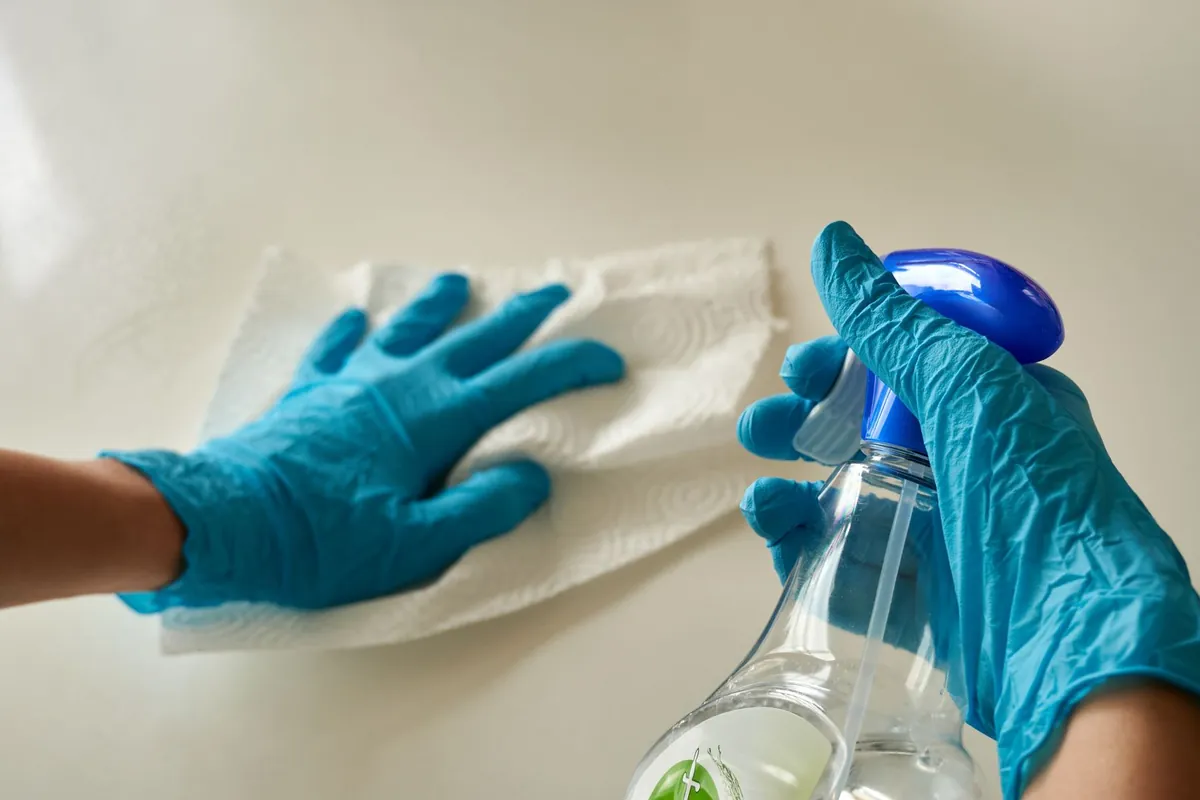
Infectious disease cleanup means cleaning and disinfecting a space where there may be a virus, bacterium or another germ that causes disease. The scope centers on areas of concern and surfaces or high-touch items that people could contact.
Planning begins with three questions: how is the area used, what contamination could be there and which product can each surface withstand? The first action is removing soil that can be seen. Afterward, an EPA-registered disinfectant is used under its label directions. The surface remains wet throughout the specified contact time so the disinfectant works correctly.
A suitable setting may be a residence, school, workplace, restaurant, rental, healthcare facility or vehicle used by several people. The difference from ordinary cleaning is that a possible or confirmed infectious disease concern defines the work. If hazardous materials, blood or bodily fluids are involved, the job becomes biohazard remediation and could call for added protective gear, disposal of waste and removal of materials.
You may identify fragile items in advance and discuss which ones should receive cleaning, be relocated or remain untouched.
Crews may keep activity within affected areas and use unmarked vehicles, helping you move forward discreetly.
You should get a clear explanation of product choice, mixing, compatible materials and contact time, without claims that brief spraying will work.
The scope should tell you what happens step by step, which spaces and items receive treatment and which areas do not.
After a reported illness, possible exposure or contamination beyond the role of routine janitorial work, infectious disease cleaning may make sense. Situations commonly addressed include:
Focused disinfection and cleaning address a reported illness or exposure at homes, workplaces and facilities used by others.
Visible residue is removed first, and suitable surfaces are then disinfected in the rooms the ill person used.
A defined scope for offices, schools, rentals and other places where several people use the same rooms and fixtures.
These cleanup services use a planned treatment for customer areas, employee spaces, restrooms, break rooms and common touchpoints.
Your first steps should limit contact with the affected area and give the cleanup technicians clear facts about the situation. Before work begins:
Call (888) 440-9227Published cost guides list virus decontamination at $1,500 to $3,500 per job and infectious disease decontamination at $1,000 to $8,000 or $2,000 to $8,000 per job. Another biohazard cleanup cost guide lists infectious disease disinfection at $1,500 to $10,000 per job. Your price depends on the space, germ, surface count, air system work and whether testing is needed.
The figures shown are national ranges from published cost guides and are not based on an on-site visit. The price for your property is set after the on-site assessment, and you hear it before work starts.
Ask about cost: (888) 440-9227Coverage depends on the policy, the cause of the contamination and the property involved. Do not assume that routine disinfection or a preventive cleaning visit is covered. Ask your insurance company about the exact event before work begins when circumstances allow.
For your claim file, insurance assistance may arrange the service scope, invoices, treated-surface records and appropriate photos from the affected area.
Ask whether contamination cleanup is covered, what deductible applies and whether the insurer needs photos, a scope or other records.
Your lease and the specific area involved may decide who bears responsibility. Read those documents before deciding who authorizes the work.
Cleanup expenses may be treated one way under business insurance and another under home coverage. The decision depends on the loss cause and the language in your policy.
Remediation follows a plan based on the areas involved, the germ of concern and directions on the disinfectant label. Steps progress with a clear purpose from limiting access through reviewing the finished scope.
Cleanup involves noting fragile materials, high-contact areas, rooms and any bodily fluids or waste capable of changing the planned work.
Nearby rooms are guarded against equipment and walking traffic by limiting access and planning movement from clean spaces into dirty ones.
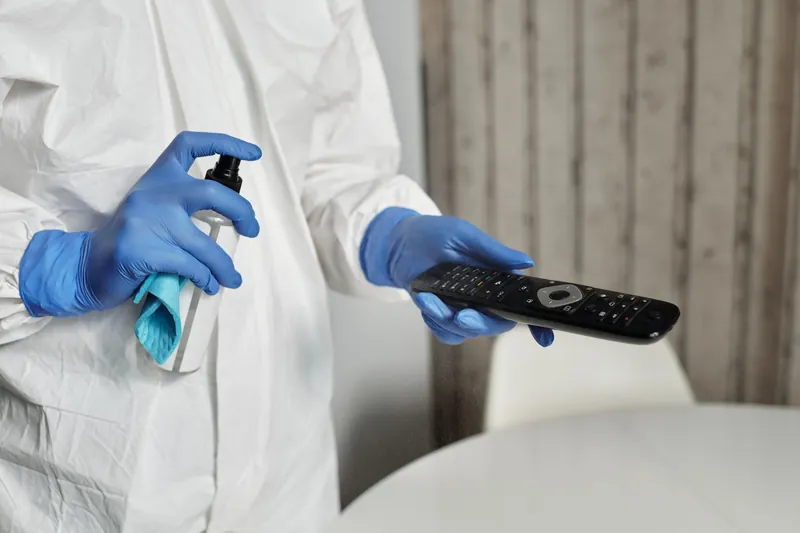
Selection of protective equipment and gloves reflects the chemical, job and exposure identified during scoping.
Dust, dirt and visible residue are removed with methods suited to each surface before disinfection begins.
The correct label dilution of an EPA-registered disinfectant is used on suitable surfaces and stays wet for the entire contact period.
Instead of relying only on a broad mist, treatment carefully covers counters, shared equipment, door hardware, switches and restroom fixtures.
The process cleans reusable equipment, contains single-use materials and sorts any hazardous waste into its correct disposal route.
The entire process ends with completed areas checked against the scope, and you receive a clear record of the rooms and surfaces treated.
Call at any time. Your infectious disease disinfection specialist answers the phone, describes what happens next and works with you on a start time.
The biggest concerns are contamination exposure, improper use of a product and surfaces being missed where people make contact. A thorough process reduces these risks with more than a brief spray.
Avoidable contact with contaminated materials presents serious health risks, and the material can block disinfectant from reaching germs. First remove material you can see, then apply the proper product and observe the complete contact period.
The spread pattern and period of viability are different for each virus and bacterium. The possible germ, its setting and the surface involved determine the disinfection approach.
A contaminated shoe, glove, cloth or tool can transfer material onto another surface. That risk decreases with a clearly marked workspace and controlled movement through it.
Can you clean it yourself? With no known exposure or hazardous waste, and no bodily fluid present, ordinary cleaning could be enough. If an illness has affected several rooms, a vulnerable person uses the space, or you cannot identify the boundaries of the affected area, professional cleanup can give you a documented and consistent process.
Most disinfection for infectious disease treats existing surfaces without tearing materials out. Cleanable items are retained when this can be done safely. Materials affected by bodily fluids, or contamination that cleaning cannot remove, may follow a separate plan for disposal.
Work falls under OSHA Bloodborne Pathogens Standard 29 CFR 1910.1030 if employees could contact potentially infectious materials or blood.
The product must be used on a compatible surface according to its EPA label, including dilution, application method and full contact time.
Oklahoma treats soaked materials from a biohazard scene as regulated medical waste. Rules from the Department of Environmental Quality's Land Protection Division control how it is processed and treated, so it cannot go in household trash. Because everyday cleanup waste and regulated medical waste can require different disposal methods, determine the material type before proceeding.
Some facilities, including healthcare locations, schools and food areas, may follow added protocols for cleaning. Planning must continue to account for your facility rules and current public health guidance.
Cleanup time varies with the affected area's size, the quantity of surfaces, required contact time for the product and the ability to divide treatment into sections. A reliable schedule can only be determined after the site is assessed.
The full infectious disease disinfection guide covers what is cleaned or removed, odor and air quality work, and the rules that apply in Oklahoma County.
Read the full infectious disease disinfection guideLocal housing, population and access details can shape containment, access and cleanup planning.
If direct exposure occurs, the closest listed emergency option is O U Medical Center, about 1.4 miles away, not the cleanup site.
Connections to Powell, Altalawn, and Hayes Highland make a precise address important for coordinating cleanup access without unnecessary neighborhood attention.
Properties within this Oklahoma City neighborhood may share alleys, entries, or parking, so equipment movement should be planned around nearby residents.
Medical questions belong with a clinician, while surface disinfection follows label directions, including the required wet contact time.
You can ask about cleanup in nearby communities and ZIP codes during the call.
Homes, workplaces and common areas receive virus disinfection following an outbreak.
See covid-19 and virus disinfection
MRSA, norovirus and C. diff cleanup covers care settings, fitness facilities and homes.
See mrsa, c. diff and norovirus cleanup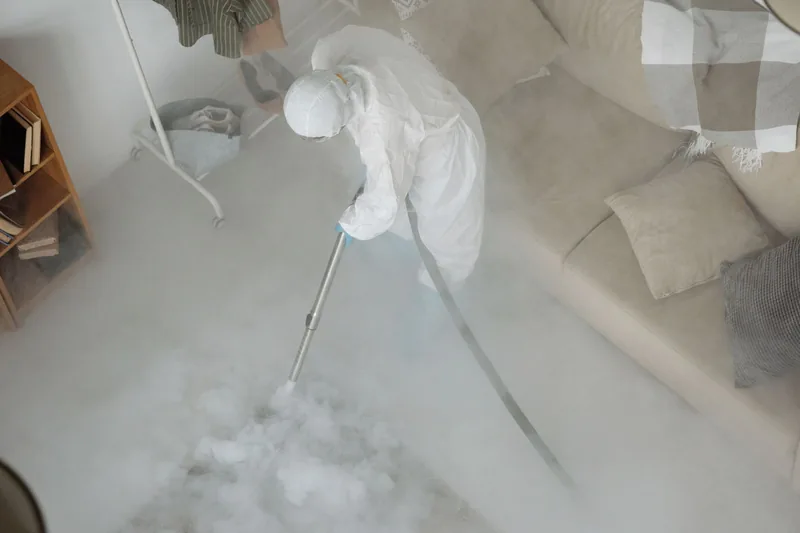
Rooms, surfaces and air receive complete decontamination following infectious or hazardous exposure.
See biohazard decontamination
A contaminated space is restored to safe use through biological remediation and contaminant removal.
See biohazard remediation
Commercial and industrial biohazard cleanup planned around site access and operating needs.
See commercial and industrial biohazard cleanup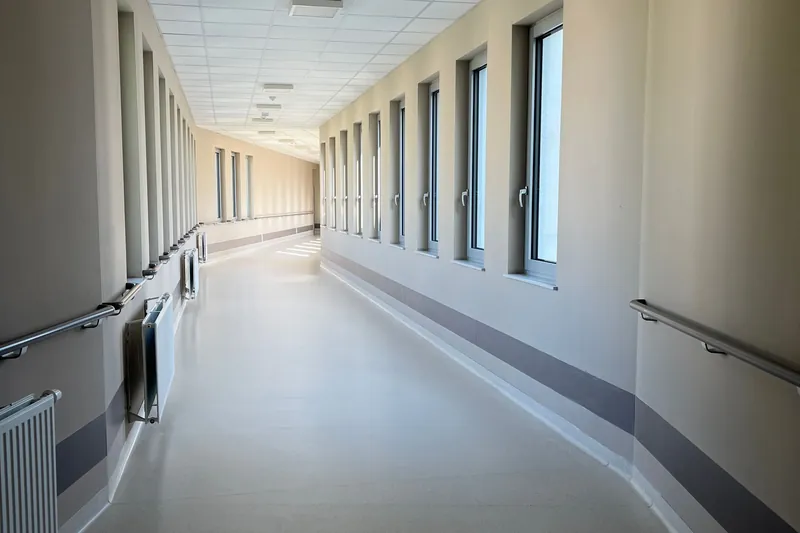
Biohazard cleanup for clinics, care homes and healthcare facilities.
See hospital and healthcare biohazard cleanup
After exposure or injury, workplace biohazard cleanup covers offices and other work sites.
See office and workplace biohazard cleanup
School and daycare biohazard cleanup outside of class hours.
See school and daycare biohazard cleanupNo one environmental measure works for all illnesses in every type of setting. Hand hygiene, appropriate cleaning and disinfection, ventilation, protective equipment and staying away from others when advised can each matter. Follow current guidance for the specific illness. Essential surface steps include removing soil first and allowing the disinfectant to remain for its labeled contact time.
Some registered disinfectant products contain alcohol, but the ingredient name alone does not tell you whether a product is suitable for a surface or germ. Select a product labeled for the planned use, and follow every direction, including the stated contact period. For disinfection, never depend on alcohol meant for drinking, home recipes or products kept without labels.
First determine whether the wood is sealed, unfinished or covered by another finish. Follow the label and limit treatment to a cleaner plus EPA-registered disinfectant made for that type of surface. Check a limited area out of view if appropriate. A different method may be necessary for absorbent, damaged or raw wood compared with sealed furniture.
It depends on your policy and the cause of the cleanup. An insurer may address precautionary disinfection differently than cleanup connected with a property loss the policy covers. Give your insurance company the facts without speculation and ask about documentation, exclusions, your deductible and pre-work approval requirements.
A practical environmental approach is to control access, clean away soil and then disinfect compatible surfaces. Following present health guidance while using protective equipment and good personal hygiene also helps control infection. Because the suspected germ and location shape the exact measures, healthcare facilities may follow protocols unlike those for restaurants, homes or offices.
The plan should define common touchpoints along with the restaurant's employee, restroom and customer areas. Products and post-treatment actions must be appropriate for any surface that contacts food. Soil is cleaned away before disinfecting, and every product stays on the surface for the complete contact period on its label. Current instructions for both public health and food safety remain in effect.
Respectful, discreet infectious disease disinfection is available 24 hours a day, and crews arrive in unmarked vehicles.